
Today, some of my close friends are half-jokingly convinced that I’m no longer a real person, but an AI-controlled humanoid. I don’t blame them. Over the last year, I’ve integrated AI agents into almost every corner of my life.
But it wasn’t always like this. Let me tell you how it started, with a very real story.
A while ago, I found myself constantly disappointing someone I care about deeply: my wife.
Not because of anything dramatic, no scandal, no betrayal, no midlife crisis. Just one persistent problem: I kept forgetting to tell her when I was leaving the house or returning home.
Now, for context—this isn’t some small apartment where footsteps give you away. We live in a multi-level, multi-room house in the US. Someone can leave without anyone noticing. And once you’re out, you’re out. The nearest store is 15 minutes away by car. If you forget to buy something, it’s not a quick fix.
So, naturally, my wife had one simple ask:
“Whenever you leave the house, let me know. I might need something.”
And:
“When you’re coming back from work or going shopping—please call. There’s always something missing: milk, eggs, water…”
Reasonable, right?
Well, yes.
But also… easy to forget.
Like many of us, I juggle 50–60 different topics a day.
When your brain runs in constant context-switching mode, memory becomes a fragile thing.
Not because you don’t care, but because your mind is too busy surviving.
Eventually, I thought: This is a system problem. Not a relationship problem.
And system problems deserve automation.
Enter the Engineer Brain
I decided to solve it the “engineer way.”
I envisioned a system:
• When I leave home, it should automatically notify my wife.
• When I leave the office or enter Walmart, same thing.
• No manual triggers. No checklists.
Because if I have to remember to do it…
I won’t.
That weekend, I sat down and built a prototype.
First attempt?
I wrote 500+ lines of code. Tried to fetch location data from my phone, detect when I’d moved 50 meters away from home, and send an SMS.
It worked… kind of.
Only when I manually activated it.
Which defeats the whole point.
Then, while sipping coffee and staring at my half-working code, I had a thought:
Why am I not asking my AI assisant for help?
Ten Minutes With an AI Agent Changed Everything
I turned to my daily co-pilot: ChatGPT (EAY) + Perplexity.
After a 10-minute conversation, I discovered something I’d overlooked for weeks—
iOS Shortcuts.
Buried inside every iPhone is a light automation system. Not exactly an agent, but a start.
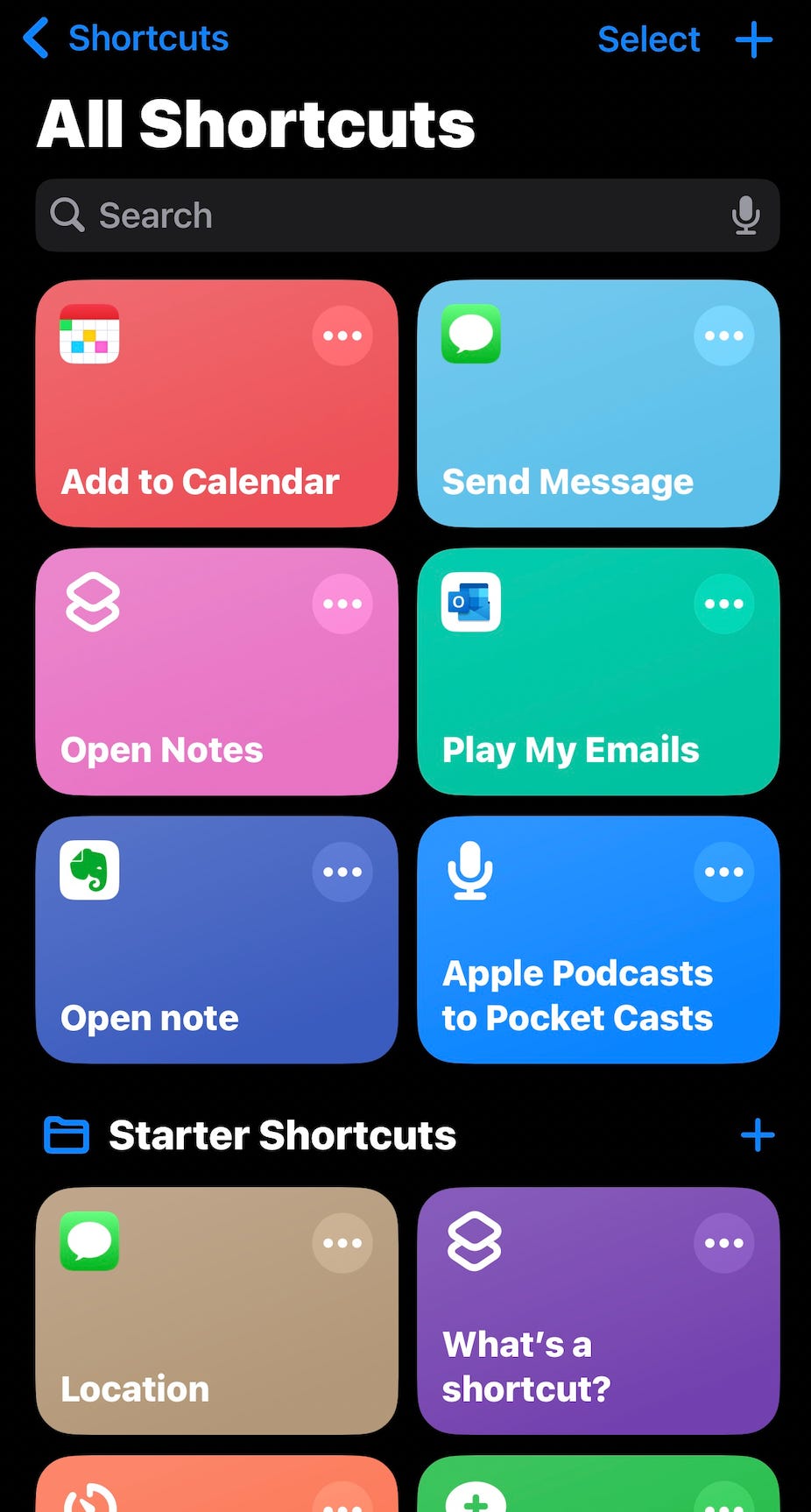
Within 30 minutes, I had it set up:
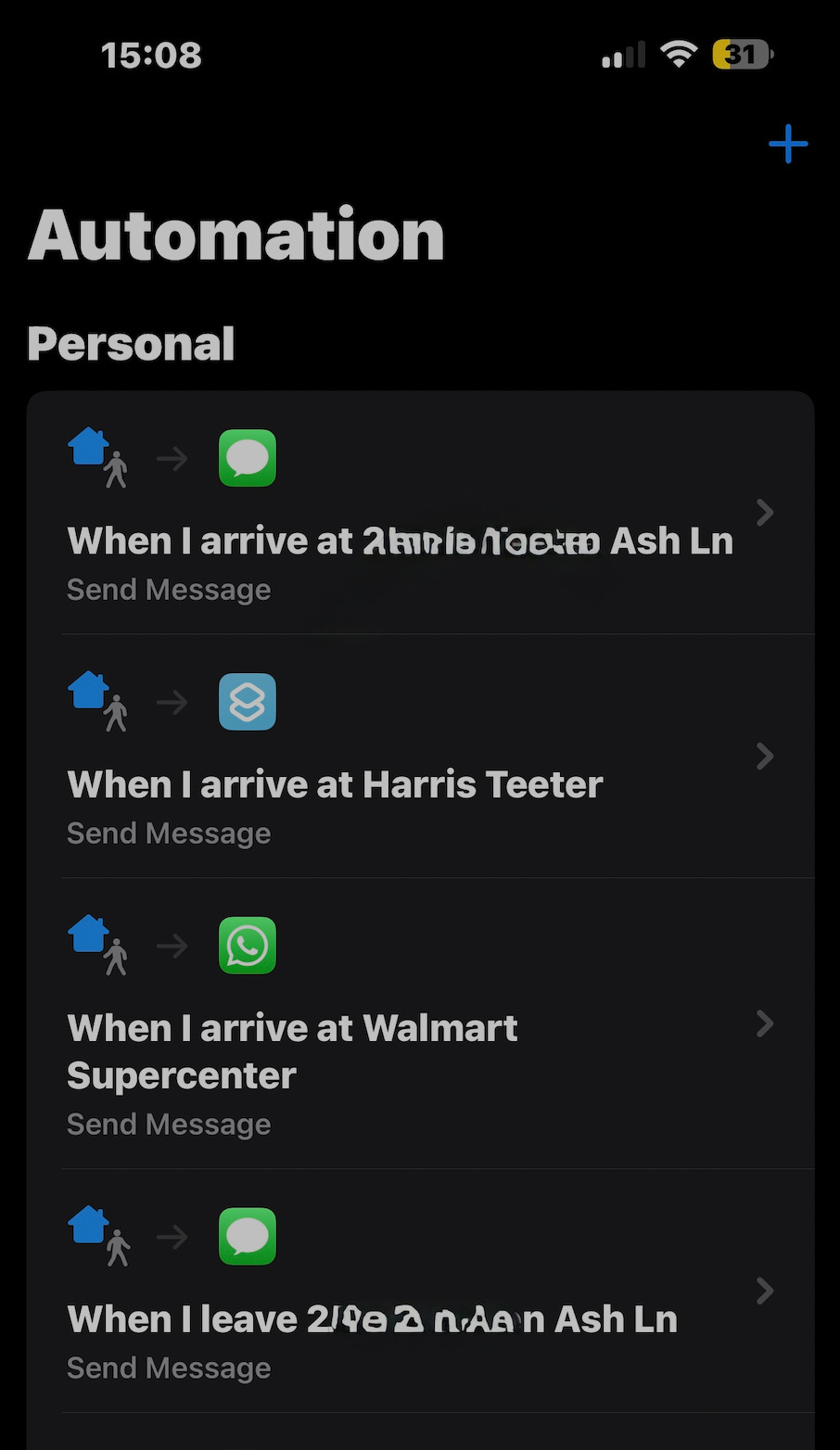
• When I leave home, a location-based trigger fires.
• It sends my wife a message:
“Hey love, just left home. Need anything?”
It felt like magic.
She was delighted.
She thanked me.
Said she felt heard.
Said I was finally becoming more thoughtful.
(I didn’t tell her it was the AI… not at first.)
Then I added more locations:
My office. Walmart. Target.
Each one with the same logic.
If I’m nearby or leaving, she gets a heads-up and can reply with whatever we need.
Problem solved.
No more missed groceries.
No more last-minute runs.
No more “Why didn’t you call me?!”
Why This Changed More Than My Schedule
Here’s the thing:
This tiny system didn’t just solve a household issue.
It gave me a taste of what delegation should feel like.
I didn’t have to remember.
I didn’t have to code complex systems.
I didn’t even have to think about it anymore.
And that’s when it clicked.
If an agent can improve my home life this much…
what can it do for my work life?
That’s when I truly started thinking deeply about EA (Executive Assistant) agents.
Not as tools. Not as toys.
But as infrastructure for modern living.
Since then, I’ve applied the same logic to dozens of workflows:
• Auto-summarizing long documents
• Scheduling meetings across time zones
• Threat intelligence briefings
• Compliance alerts
• Even kids’ homework reminders
I no longer rely on my memory.
I rely on designing systems that think with me.
Closing Thoughts
This wasn’t about marriage.
It wasn’t even about shopping lists.
It was about reclaiming mental space.
Most people use agents to save time.
I use them to protect relationships, reduce friction, and preserve energy for what truly matters.